






A Borderless Museum

A Borderless Museum
Conversations with Annesofie Norn, Head of Communications and Lead Curator at the Museum for the United Nations (UNLIVE)
by Sandro Debono
Season Two of the ‘Museums in a Climate of Change’ has taken us far and wide as we continue to explore the latest thinking around climate and change. Dr. Sandro Debono, a museum thinker based on the Mediterranean island of Malta, shares his thoughts and reflections about this series of podcasts, now in its second season, featuring conversations with museum professionals from all over the world, co-hosted with Cody Liska.
The word museum denotes a very specific idea space. To many, the museum is a building with a collection or an experience for that matter, where content is displayed, curated and interpreted. Our conversation with Annesofie challenged all that. What if we had considered a museum without walls with humanity as its subject matter?
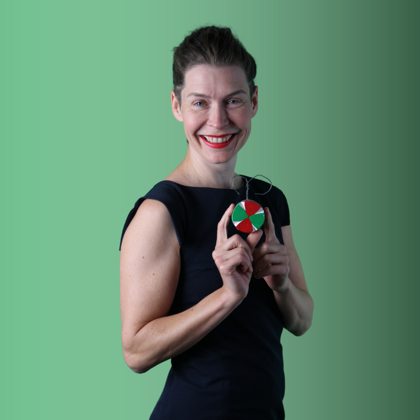
Annesofie Norn, Head of Communications and Lead Curator
at the Museum for the United Nations (UNLIVE)
This is UN Live, a “museum without walls” and a global cultural initiative thatproduces temporary exhibitions, immersive installations, digital projects and live events that can happen anywhere and adapt to different contexts. In terms of location, UN Live is headquartered in Copenhagen, Denmark, but its work is deliberately nomadic.
I would not describe UN Live as an imaginary museum or anything close to what the French writer, intellectual, and politician André Malraux defined. It is, indeed, a contemporary “museum without walls,” but it differs significantly from the concept developed by André Malraux. Malraux’s musée imaginaire, or imaginary museum, was a mental museum made possible by photographic reproduction, dissolving physical boundaries to create a universal dialogue among artworks. UN Live, by contrast, dissolves walls operationally rather than aesthetically. It functions as a nomadic, networked platform that mobilises culture around global challenges. If Malraux’s museum without walls expanded aesthetic consciousness, UN Live seeks to expand civic agency.
UN Live is a mental and cultural space liberated from physical location and institutional boundaries with a focus on global challenges. UN Live repositions the focus from objects and visuals to humanity itself. UN Live’s designated space is the world itself, its materiality is humans, and its content is pop culture, film, music, and digital platforms. In short, UN Live operates as a "live" platform to inspire local, personal action on issues like sustainability, justice, and climate change.
With Annesofie, we could not kick-start the conversation without asking how all this is shaped and made to happen. As the lead curator at this institution since 2019, Annesofie has shaped content that has reached millions of people. “When we are creating initiatives, we try to convene partners that have as many different viewpoints as possible”, Sofie tells us as she looks for patterns and hidden stories. Annesofie also takes us through culture hacking, whereby projects are referenced by focused strategic interventions during concerts and major cultural events, including summits or international gatherings, to engage and communicate in a socially impactful way by “Using the material of society to imagine better futures”, as Annesofie puts it.
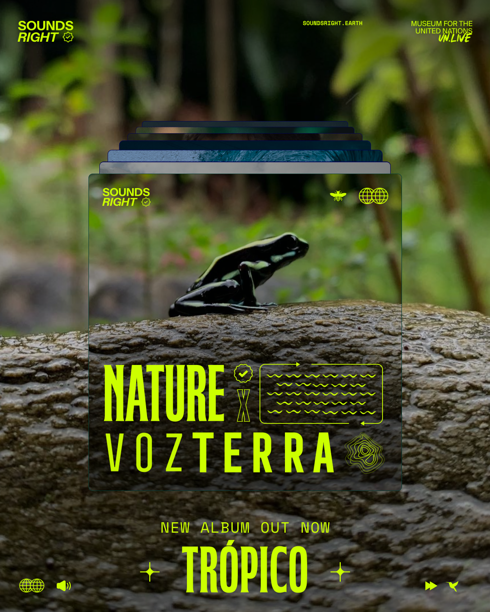
Tropico - An album release by Nature, the artist (Photo courtesy of Un Live)A powerful example of all this is Sounds Right, a global music initiative that recognises nature as an official artist, enabling ecosystems to receive royalties that fund conservation. Beyond its technical innovation, the project echoes Indigenous understandings of nature as a living agent rather than a passive resource. By reframing nature as a collaborator, an elder presence rather than an extractable asset the initiative invites audiences to reconsider their relationship with the natural world in emotional and ethical terms, not just scientific ones. More interestingly, the project's outcomes include millions of streams and royalties that generate revenue, which is, in turn, invested in conservation projects across the globe.
Sounds Right introduces Nature as an artist who also earns a living.
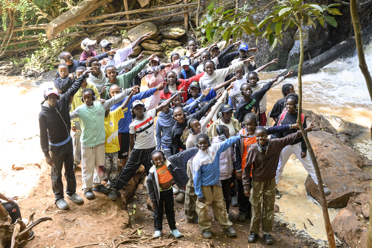
Sounds Right Project participants (Photo courtesy of UNLIVE)
Annesofie reminds us that museums have a rare capacity to slow down people and create moments where reflection, empathy, and responsibility can take root. “I believe museums are places to reflect on…But also many museums are reflecting on where we are today as human beings and where we have possibilities to go as human beings…” Annesofie clearly explains. What guides Anne Sofie’s work at UN Live is hope and that comes across as the most important emotion to target. It is all about turning anger and frustration into empathy, hope and love.
“We only exist in the time we exist” Annesofie adds. Yet some of the challenges that humanity is increasingly being called to address go beyond lifetimes. They are also part of a bigger picture of things that are happening in this world. There is urgency in Annesofie’s words, particularly when it comes to climate change “Our world is at a stage where we need to think big and act quickly. We don’t have the time to shy away from the big thinking because the issues are just interrelated and happening at scale in a way that we all need to think …”
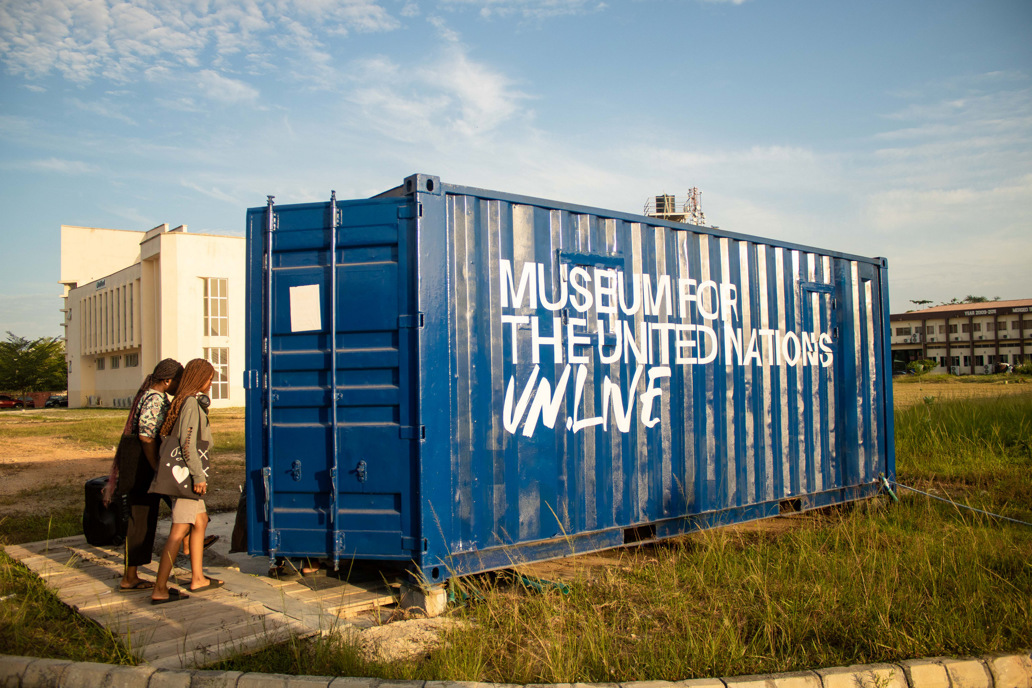
UNLIVE’s work may be described as a “drop in the ocean,” but oceans are shaped by countless drops moving together. “What we are doing is only part of it. … And I choose to be hopeful because that helps me to act and be creative,” Annesofie tells us.
By meeting people where they are culturally, emotionally, and geographically, this borderless museum points toward a future where institutions act less as authorities and more as convenors, facilitators, and listeners.
Listen to the podcast in its entirety here.
As you listen to this podcast, you will hear Annesofie mention ideas, projects and many other details. Should you wish to explore further, these are some links to the things that get mentioned:
UN Live - The Museum for the United Nations
Cultural Projects at the Museum for the United Nations
The Green Football Weekend project
The non-profit organization Cortico
The Centre for Constructive Communication (MIT)
Behavioural Science - An Introduction
Annesofie Norn’s personal website